
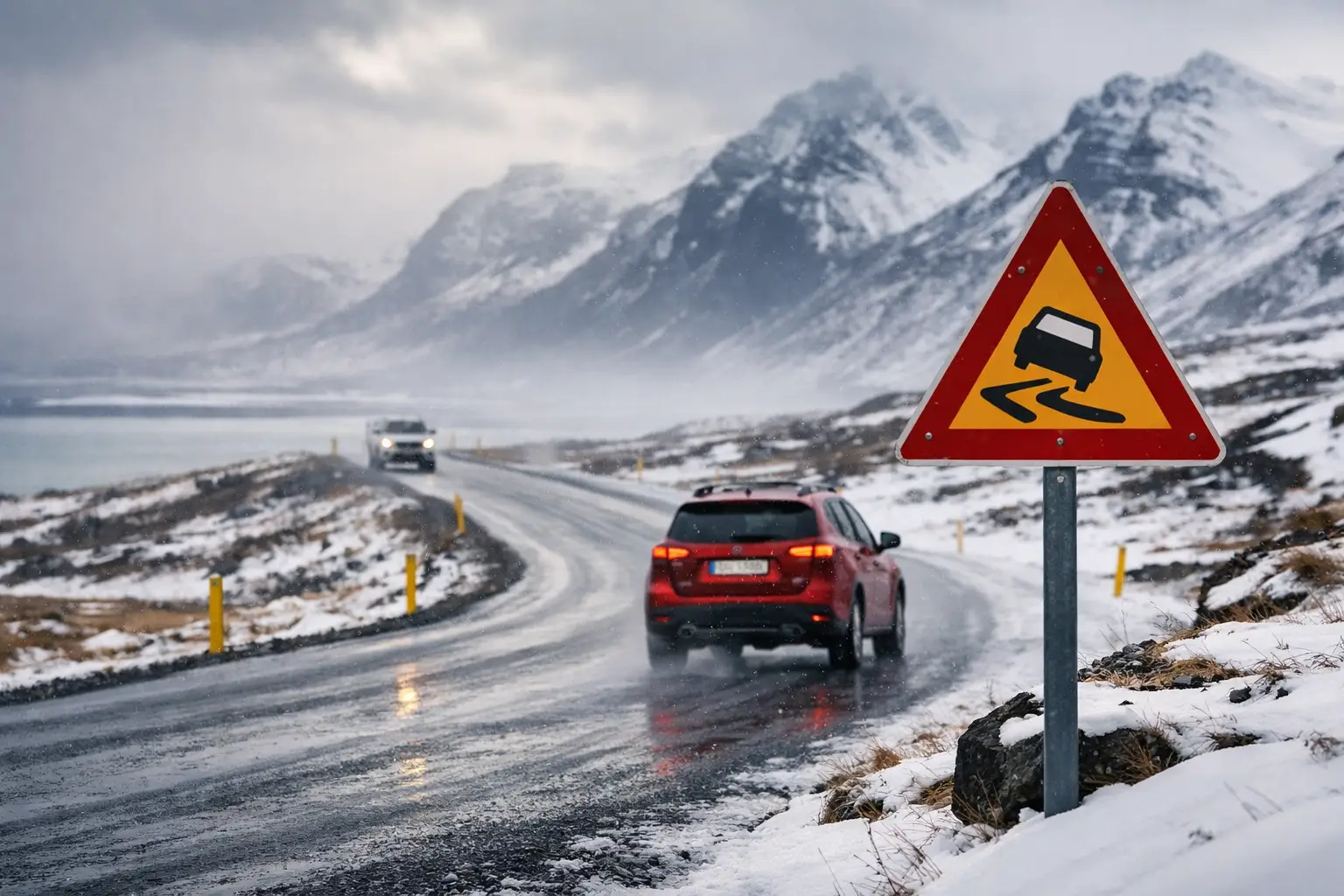
Are Iceland Roads Dangerous for Tourists?
Are Iceland roads dangerous for visitors? Learn where the real risks are, when to drive, and how to stay safe on Iceland’s roads year-round.
A lot of first-time visitors ask the same thing right before they book a rental car: are Iceland roads dangerous? The honest answer is yes, they can be - but not in the way many people expect. Iceland is not a place with chaotic traffic, aggressive drivers, or endless highways. The real challenge is the environment. Weather changes fast, road surfaces vary by region, and a drive that looks easy on a map can feel very different once wind, ice, gravel, or fog show up.
That should not scare you away from a road trip. Driving in Iceland is one of the best ways to see waterfalls, black sand beaches, glacier lagoons, geothermal areas, and quiet corners most tour buses never reach. But it only stays enjoyable if you treat the roads with respect and plan around conditions, not just distance.
Are Iceland roads dangerous in every season?
Not equally. The same route can feel simple in July and demanding in January.
Summer is the easiest season for most travelers. Days are long, major roads are usually clear, and visibility is often much better. That said, summer still brings risks. Strong wind can yank open car doors, rain can reduce traction, and gravel roads in rural areas can surprise drivers who are used to paved highways. Sheep also wander near roads in warmer months, especially outside towns.
Winter is where the question really matters. Snow, ice, darkness, and sudden storms make driving much more serious. Even the Ring Road, which many visitors assume is always easy, can become difficult or temporarily impassable in bad weather. A short afternoon drive can turn into a whiteout. Bridges may be icy even when the rest of the road looks manageable. If you have little winter driving experience, your margin for error is smaller here than in many parts of the US.
Spring and fall sit in the middle. They can be excellent times for a road trip, but they are also unpredictable. One day may feel like summer, and the next may bring freezing temperatures and slick roads. Shoulder season works well for flexible travelers who are willing to adjust plans.
What actually makes Iceland roads risky?
The biggest danger is not speed. It is underestimating conditions.
Visitors often look at drive times and think in normal vacation terms. Two hours seems short. In Iceland, two hours can include narrow roads, one-lane bridges, crosswinds, sleet, and long stretches with few services. That changes how you should plan your day.
Wind is one of the most underestimated hazards. It can push vehicles sideways, especially smaller cars and campers. It also causes a very Iceland-specific problem: car door damage. If you open a door without bracing it in strong wind, the door can be bent backward in seconds. That is expensive, but more importantly, it shows how powerful the conditions can be.
Road type matters too. Many travelers stay on paved main roads and do just fine. But once you head into more remote areas, gravel becomes common. Gravel roads reduce traction, increase stopping distance, and can feel unstable if you are not used to them. F-roads, which lead into the Highlands, are a separate category altogether. These rough mountain roads often require a 4x4 and may involve river crossings. They are not casual scenic detours.
Then there is light - or lack of it. In winter, limited daylight means drivers can end up on unfamiliar roads in darkness much earlier than expected. Add snow or blowing sand in some regions, and visibility can disappear fast.
Are Iceland roads dangerous for first-time visitors?
They can be, especially for travelers who assume Iceland is an easy self-drive destination in all conditions. First-time visitors are more likely to misjudge distances, skip weather checks, or book an ambitious itinerary with too much driving packed into each day.
That does not mean you need to avoid driving. It means you should match your route to your experience level. If this is your first Iceland trip, a summer or early fall self-drive along the South Coast or Golden Circle is very manageable for many people. A full winter loop around the country is a different decision.
It also depends on what kind of driver you are at home. If you are confident on rural roads, comfortable in changing weather, and realistic about slowing down, you may adapt well. If you rarely drive outside cities or have never driven on ice, Iceland will feel more demanding.
The roads most travelers handle well
Many of Iceland’s most popular routes are accessible and straightforward in decent conditions. The Golden Circle is the classic example. It is close to Reykjavik, well-traveled, and generally a good fit for first-time drivers. The South Coast, at least as far as Vik and often beyond, is also a common self-drive route.
The Snæfellsnes Peninsula is another rewarding option for independent travelers, though weather can make coastal sections more challenging than they look. North Iceland and East Iceland are beautiful for road trips too, but they require more distance and more flexibility.
The Highlands are where caution should really rise. These routes are remote, seasonal, and not appropriate for every traveler. If you are asking whether Iceland roads are dangerous, the answer changes quickly once F-roads enter the picture. For many visitors, a guided Highlands tour is the smarter move.
How to drive safely without overcomplicating your trip
The best Iceland road trips are the ones built with breathing room. If the weather turns, you want options.
Start with a realistic itinerary. Do not stack every landmark into one day just because the map says it fits. Build shorter driving days than you would in the US, especially outside summer. If conditions are good, you can always add stops. If conditions worsen, you will be glad you did not overbook yourself.
Choose the right vehicle for the season and route. In summer, a standard car is often enough for popular paved routes. In winter, or if you are exploring farther afield, a larger vehicle with appropriate tires gives you more stability and confidence. For Highland driving, a proper 4x4 is essential, not optional.
Check road and weather conditions every day, not just once before the trip. This is one of the biggest differences between Iceland and more predictable destinations. Conditions can shift within hours. A road that was fine in the morning may not be a good idea by afternoon.
Fuel up earlier than you think you need to, keep your phone charged, and avoid driving tired. Iceland’s landscapes are mesmerizing, but they can also be monotonous over long stretches, which makes fatigue more noticeable. Pull over only in designated areas, never on the roadside for a quick photo.
Common mistakes that create avoidable danger
Most road problems visitors run into start with one bad assumption.
One is believing the Ring Road is a simple loop that can always be driven on a tight schedule. Another is treating weather alerts as suggestions. Travelers also get into trouble by stopping in unsafe places for pictures, following GPS blindly onto roads unsuited for their vehicle, or driving into the Highlands without understanding what the route involves.
Another common issue is confidence creep. The first day goes well, so drivers start pushing farther, faster, and later into the evening. Iceland rewards caution far more than confidence.
If you want a smoother trip, keep your plans adjustable. That is often the difference between an unforgettable road trip and a stressful one. At GoIce Travel, this is exactly why many travelers mix self-drive days with guided experiences or choose booking tools that make route planning easier from the start.
So, should you drive in Iceland at all?
For many travelers, absolutely. Driving gives you freedom, access to quieter places, and room to experience Iceland on your own schedule. It is often the best way to turn a highlight reel trip into something more personal.
But self-driving is not automatically the best choice for every season or every traveler. If you are visiting in deep winter, have limited experience in snow and ice, or want to see remote areas without worrying about road conditions, guided tours can be the better option. You still get the scenery without carrying the risk yourself.
The smartest approach is not asking whether Iceland is safe or dangerous as a whole. It is asking whether your route, season, and driving experience make sense together. When those line up, Iceland’s roads feel less intimidating and far more rewarding.
If you give the weather the final vote, keep your itinerary flexible, and respect the road more than the map, driving in Iceland can be one of the best parts of the trip.