
Hveravellir
Hveravellir es un oasis geotérmico remoto en las tierras altas centrales de Islandia, ubicado a lo largo de la ruta Kjölur (F35). Aguas termales, fumarolas y po…
De un vistazo
Tiempo de visita
2–3 hours
Mejor temporada
Sumar (júní-september), einkum á björtum dögum til að sjá litina best.
Cómo llegar
Aðgengi um Kjölfjarðarleið (F35) krefst 4x4 ökutækis.
GPS
64.8677, -19.5589
Acerca de
Sobre Hveravellir
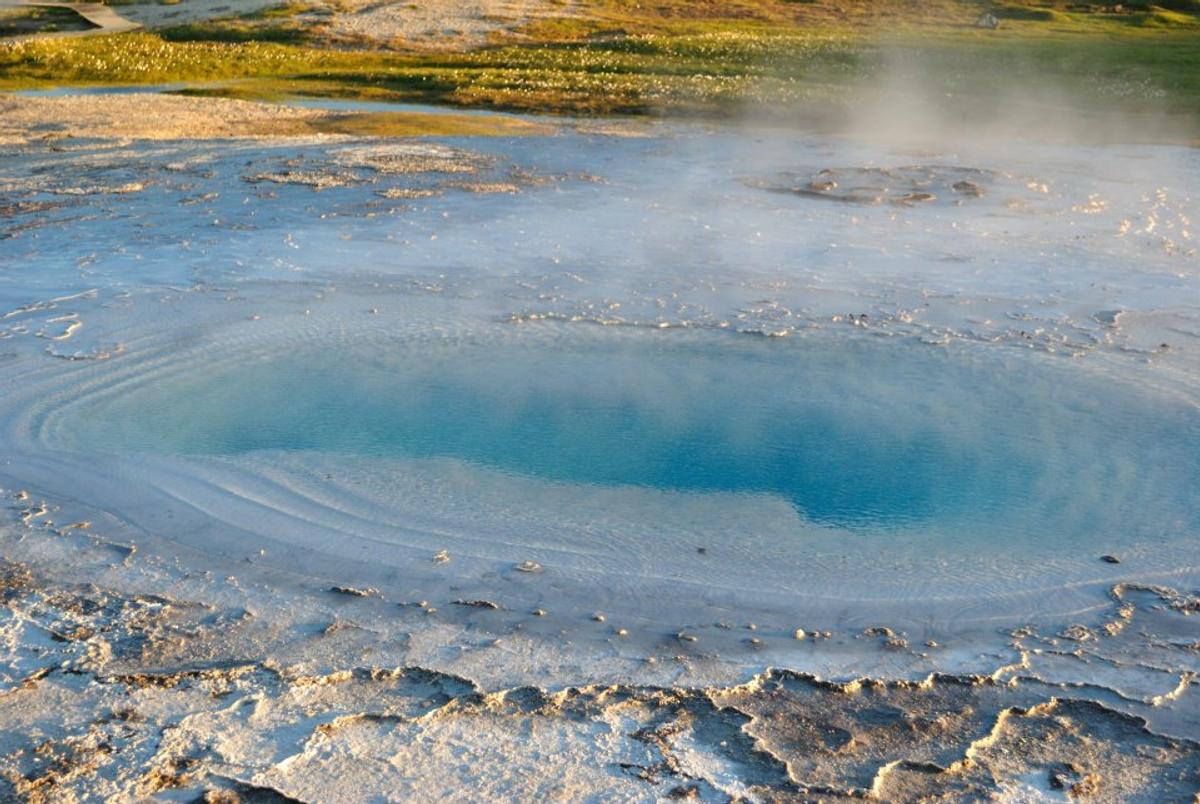
Hveravellir es un oasis geotérmico remoto en las tierras altas centrales de Islandia, ubicado a lo largo de la ruta Kjölur (F35). Aguas termales, fumarolas y pozas de barro burbujeantes salpican el paisaje, con impresionantes formaciones minerales blancas y columnas de vapor que se elevan contra el terreno accidentado. Una poza natural de agua caliente, visualmente distinta por su sereno tono azul, ofrece una de las experiencias de baño más atmosféricas de Islandia a cielo abierto.
Experience a natural hot pool and active geothermal features in the heart of Iceland's stunning highlands.
Tours cerca de Hveravellir
Fotos
Galería
Antecedentes
Historia y Antecedentes
Hveravellir en las Tierras Altas se asienta sobre uno de los muchos puntos calientes geotérmicos de Islandia, un testimonio de las fuerzas volcánicas que continúan dando forma a esta isla. Ubicada aproximadamente entre 600 y 650 metros sobre el nivel del mar, esta importante zona geotérmica ha sido fundamental para la vida islandesa desde que los primeros colonos llegaron en el siglo IX. Los colonos nórdicos aprendieron rápidamente a aprovechar las aguas termales para bañarse, cocinar y lavar, una tradición profundamente arraigada en la cultura islandesa, ejemplificada por estructuras como la Snorralaug (Piscina de Snorri) del siglo XIII. El área ha sido reconocida durante mucho tiempo como un lugar de descanso vital para los viajeros que cruzan la desafiante ruta Kjölur. Su entorno remoto y duro también lo convirtió en un santuario ideal, aunque difícil; en el siglo XVIII, el notorio forajido Fjalla-Eyvindur se escondió aquí durante años, utilizando las aguas termales naturales para sobrevivir. En el siglo XX, Islandia fue pionera en el uso de la energía geotérmica para la calefacción urbana, una práctica que ahora calienta alrededor del 90% de los hogares islandeses. Lugares como Hveravellir representan tanto la relación antigua como la moderna entre los islandeses y su paisaje geotérmico, mezclando historias históricas con maravillas geológicas.
Hveravellir es una de las atracciones naturales más interesantes de las tierras altas de Islandia, ubicada aproximadamente entre 600 y 650 metros sobre el nivel del mar. Esta importante zona geotérmica y reserva natural se encuentra a lo largo de la ruta Kjölur (F35), una histórica pista de las tierras altas entre los glaciares Hofsjökull y Langjökull. El paisaje es un testimonio del poder volcánico de Islandia, con numerosas aguas termales, fumarolas activas y pozas de barro burbujeantes. Visualmente, el área está dominada por impresionantes depósitos minerales blancos que forman montículos cónicos, de los cuales se elevan vigorosamente densas columnas de vapor, creando una atmósfera dramática y etérea, como se ve en la imagen. Un punto culminante es la poza natural de agua caliente, una piscina de tono azul distintivo, que ofrece una experiencia de baño inolvidable en medio del terreno accidentado y pedregoso. Más allá de su belleza natural, Hveravellir tiene un significado histórico, habiendo servido como lugar de descanso para viajeros desde la era de las sagas y, famosamente, como escondite para el forajido Fjalla-Eyvindur. Hoy en día, una pequeña cabaña de montaña ofrece instalaciones esenciales para quienes atraviesan las tierras altas, y la piscina exterior climatizada geotérmicamente sigue siendo gratuita para todos los visitantes.
Folclore
Historia y Folclore
Enclavado en la vasta extensión de grava de las tierras altas centrales de Islandia, Hveravellir se erige como un vibrante oasis geotérmico a lo largo de la histórica ruta Kjölur. Durante siglos, esta zona, marcada por potentes columnas de vapor que se elevan de respiraderos con cúpulas blancas y el tranquilo azul de una poza termal natural, ha ofrecido un respiro a los viajeros cansados. En el siglo XVIII, se convirtió en el improbable refugio del legendario forajido Fjalla-Eyvindur, quien, en medio del paisaje duro y desolado, encontró calor y sustento en las mismas aguas termales que aún burbujean hoy. El sorprendente contraste de la piscina de color azul intenso contra los depósitos de azufre ocre y la lava negra cruda, todo bajo el dramático cielo de las tierras altas, crea un espectáculo extraordinario. Hoy, Hveravellir continúa su legado como una parada apreciada, invitando a los aventureros a sumergirse en sus aguas geotérmicamente calentadas, tal como lo han hecho generaciones anteriores, conectando con el corazón salvaje de Islandia.
¿Sabías que?
The outlaw Fjalla-Eyvindur hid here in the 18th century, using the hot springs for warmth and cooking.
Cultura
Historias y Leyendas
Sagas islandesas y folclore de esta área
Explorar
Joyas ocultas cercanas
Steam Patterns
Watch how the steam patterns change with wind direction and temperature throughout the day.
On cold mornings, the steam is most dramatic, creating an otherworldly atmosphere that photographs beautifully.
Mineral Colors
Notice the vivid colors around the geothermal features — yellow sulfur, red iron oxide, and green algae.
These colors represent different minerals deposited by the hot water, creating a natural palette unique to each hot spring.
Bubbling Mud Pots
If present, the bubbling mud pots are mesmerizing to watch — each bubble is a small volcanic event.
The mud is created by acidic steam breaking down the surrounding rock, and each site has a unique bubbling rhythm.
Ayuda
Preguntas frecuentes
Ubicación
Ubicación
Discover
Explore Nearby
Places from our database within 5.0 km — all data from Sanity
Loading nearby places…
0 places found within 5.0 km
Plan full itinerary →Explorar más